Year A: 26th Sunday OT
Matthew 21:28-32
Fr. Jijo Kandamkulathy CMF
Claretian Missionaries
We learn very early to say things we do not mean. It begins in childhood. A parent asks us to do something, and we say yes because we do not want to disappoint them. A teacher asks if we understand, and we nod because we do not want to look foolish. We grow into adults who say yes to commitments we cannot keep, yes to invitations we have no intention of honoring, yes to versions of ourselves that we cannot sustain. The yes becomes a reflex. A social lubricant. A way of avoiding the discomfort of refusal.
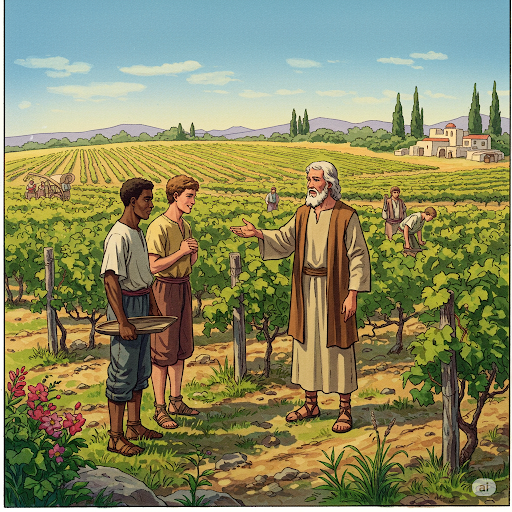
The parable Jesus tells today is about two sons and a father who asks them to work in the vineyard. It is a simple story. It is a devastating story. Because it exposes the gap between what we say and what we do. The gap between our words and our feet. The gap between our profession and our practice.
The second son says yes. He says it immediately. He says it respectfully. He calls his father “sir.” He gives the appearance of obedience. He performs the role of the good son. And then he does nothing. He does not go. He does not lift a finger. He does not enter the vineyard. The yes was a performance. It was about the father’s impression. It was about avoiding conflict. It was about looking good in the moment. But it had no substance. It had no movement. It had no fruit.
The first son says no. He says it directly. He refuses to the father’s face. He does not soften the refusal with promises. He does not pretend. He does not perform. The no is honest. It is raw. It is the truth of his heart in that moment. And then something happens. Something that no one sees. Something that takes place in the silence. He changes his mind. The Greek word suggests a deep regret, a turning. He goes. He enters the vineyard. He does the work.
The question is not about which son was nicer. The question is about which son did the father’s will. And the answer is the first. The one who said no. The one who was honest about his resistance. The one who did not perform. Because between the no and the going, something happened. Grace happened. Change happened. The heart softened. The mind turned. The feet moved.
And Jesus applies this to the religious leaders of his day. They were the second sons. They had all the right words. They had the temple. They had the law. They had the sacrifices. They had the titles and the robes and the respect. They said yes to God every day of their lives. They said yes in public. They said yes in prayer. They said yes in the rituals. But when John came, they did not believe. They did not change. They did not go. Their yes was a performance. It had no feet.
But the tax collectors and the prostitutes. They were the first sons. They had said no to God their whole lives. They had lived in open rebellion. They had chosen the wrong path. They had broken the law. They had broken trust. They had broken themselves. They had said no in every way a person can say no. And then John came. And they changed their minds. They went. They entered the vineyard. Not because they were good. Not because they deserved it. But because they were honest enough to admit they had said no, and humble enough to change.
The scandal of the gospel is that God is not impressed by our words. God is not impressed by our titles. God is not impressed by the frequency of our yeses. God is moved by the heart that turns. Even if it turns late. Even if it turns after a no. Even if it turns in the silence where no one is watching.
It is good to look into ourselves. How often have I been the second son. How often have I said yes to God in prayer, in liturgy, in public—and then walked out the door and done nothing. Said yes to forgiveness but held the grudge. Said yes to service but became an administrator. Said yes to love but kept my distance. The yes was easy. The yes was painless. The yes was social. But it had no feet.
And how often have I been the first son. How often have I said no. Said no to the invitation. Said no to the challenge. Said no to the call. But then, in the silence, something turned. Not because I was forced. Not because I was shamed. But because grace found me. And I went. Late. Imperfectly. Reluctantly. But I went.
The vineyard is not a place for perfect people. It is a place for people who change their minds. It is a place for people who say no and then find themselves walking toward it anyway. The vineyard is not a reward for saying yes. It is a reward for acting. And sometimes the ones who go are the ones who said no first. Sometimes the ones who enter are the ones who refused to perform. Sometimes the honest no leads to a deeper yes than the polished one ever could.
So on this day, I am asking myself: Where am I performing? Where am I saying yes with my lips and no with my feet? Where am I hiding behind words that cost me nothing? And where am I being invited to change my mind? To turn? To go?
The answer is uncomfortable. But the answer is the path. The path into the vineyard. The path that begins with honesty. The path that begins with admitting that we have said no. And then, in the grace of the moment, changing our minds and going.

 Homily Homes
Leave a comment