27th Sunday in Ordinary Time, Year A
Matthew 21:33-43
Fr. Jijo Kandamkulathy CMF
Claretian Missionaries
We are trained from childhood to protect what we believe is ours. Our toys. Our space. Our reputation. Our time. We learn to guard the boundaries of our lives with a vigilance that feels necessary, even virtuous. And slowly, without noticing, the guarding becomes a way of being. We begin to treat everything as property. Our relationships. Our roles. Our faith. Even God. We become managers of what was never ours to own. And in that quiet shift, something dangerous takes root. The need to possess becomes the need to control. The need to control becomes the willingness to destroy anything that threatens our grip.
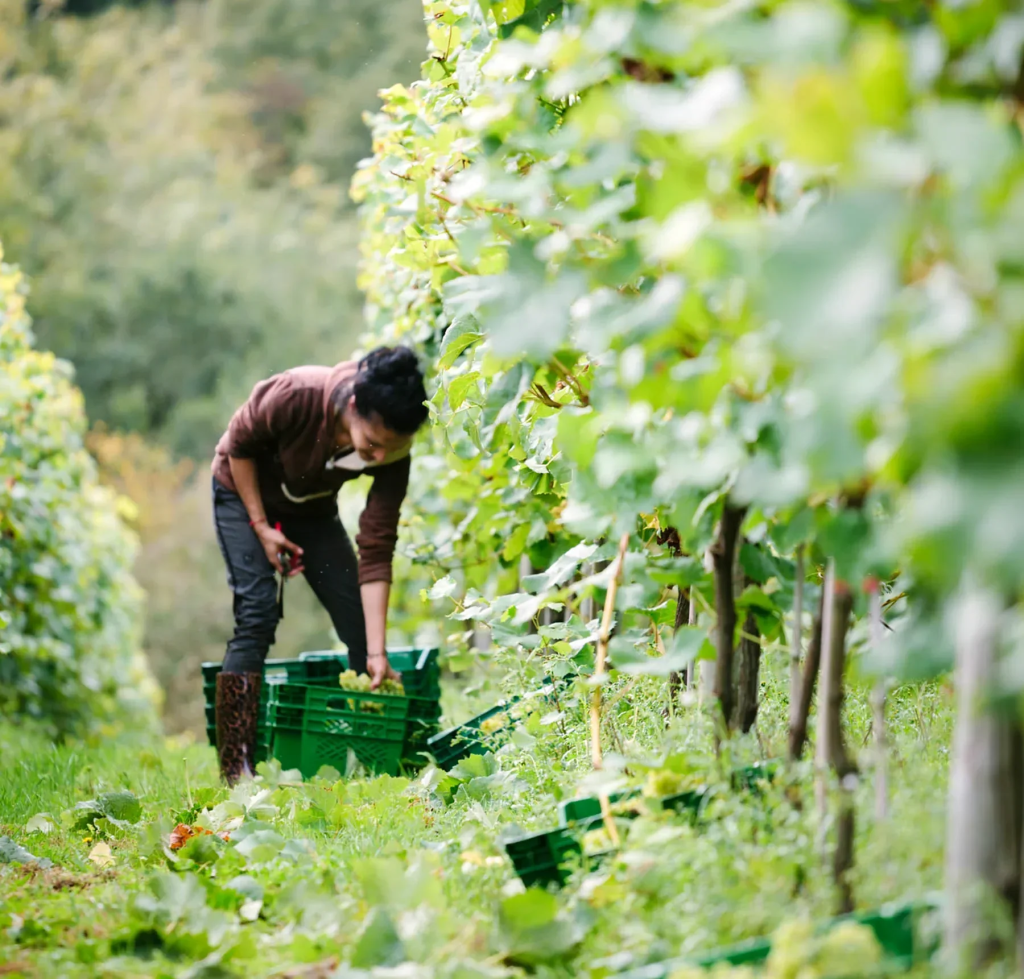
Jesus told this parable in the Temple, days before his death, to the chief priests and elders. In the original context, the vineyard was Israel, the landowner was God, the tenants were the religious leaders, the servants were the prophets, and the son was Jesus himself. They understood exactly what he meant. The parable was a mirror, and they saw their own faces in it. They had been entrusted with God’s people, but they had turned stewardship into ownership and ownership into violence.
But the mirror is not only for them. It is for us. And here the parable becomes personal. The vineyard is your own life. Not someone else’s. Not the church’s. Not your family’s. Your life. The one you wake up to every morning. The one you carry in your body. The one you spend your days filling with work and worry and dreams. That life is the vineyard. And you did not plant it. You did not build the fence around it. You did not dig the winepress. You did not build the tower. You received it. You were given it. You are not the owner. You are the tenant. You are the steward.
Think about what this means. You did not choose your parents. You did not choose your body. You did not choose your intelligence or your health or the century you were born into. You did not choose the air you breathe or the sun that warms you. Everything that makes your life possible was given to you before you could ask for it. You arrived into a world already prepared. You are not the source. You are the recipient. You are not the creator. You are the steward.
But somewhere along the way, we forget. We begin to believe that our life is ours. We say “my life” and we mean “my property.” We say “my body” and we mean “my possession.” We say “my time” and we mean “my right.” And slowly, the steward becomes the owner. The tenant becomes the landlord. And the owner’s messengers start to arrive.
Who are the messengers? They are the reminders that we are not in charge. They come in many forms. They come as limits. They come as illness. They come as aging. They come as failure. They come as the people who tell us the truth we do not want to hear. They come as the inner voice that whispers something is wrong, something is missing, something is not ours. They come as the restlessness that no achievement can quiet. They come as the emptiness that no possession can fill. They come as the questions we cannot answer. They come as the grief we cannot avoid.
And what do we do with these messengers? We react with violence. We silence them. We beat them. We kill them. We stone them. We do not listen to our limits. We do not accept our aging. We do not sit with our failures. We do not hear the truth-tellers. We numb the inner voice. We distract ourselves from the restlessness. We fill the emptiness with noise. We avoid the grief. We push the questions away. We murder the messengers that come to remind us that our life is not ours.
And we do this not only with our hands but with our words. We kill the reputation of the one who tells us the truth. We stone the character of the one who challenges us. We crucify the truth-teller with gossip and slander. Words can be as violent as stones. And we do this not only to protect what we own, but to protect an authority we never had. We claim a throne that was never given to us. We wear a crown that does not belong to us. We construct a self that does not need God. And when anyone challenges that authority, we destroy them—with our tongues, our silences, our exclusions.
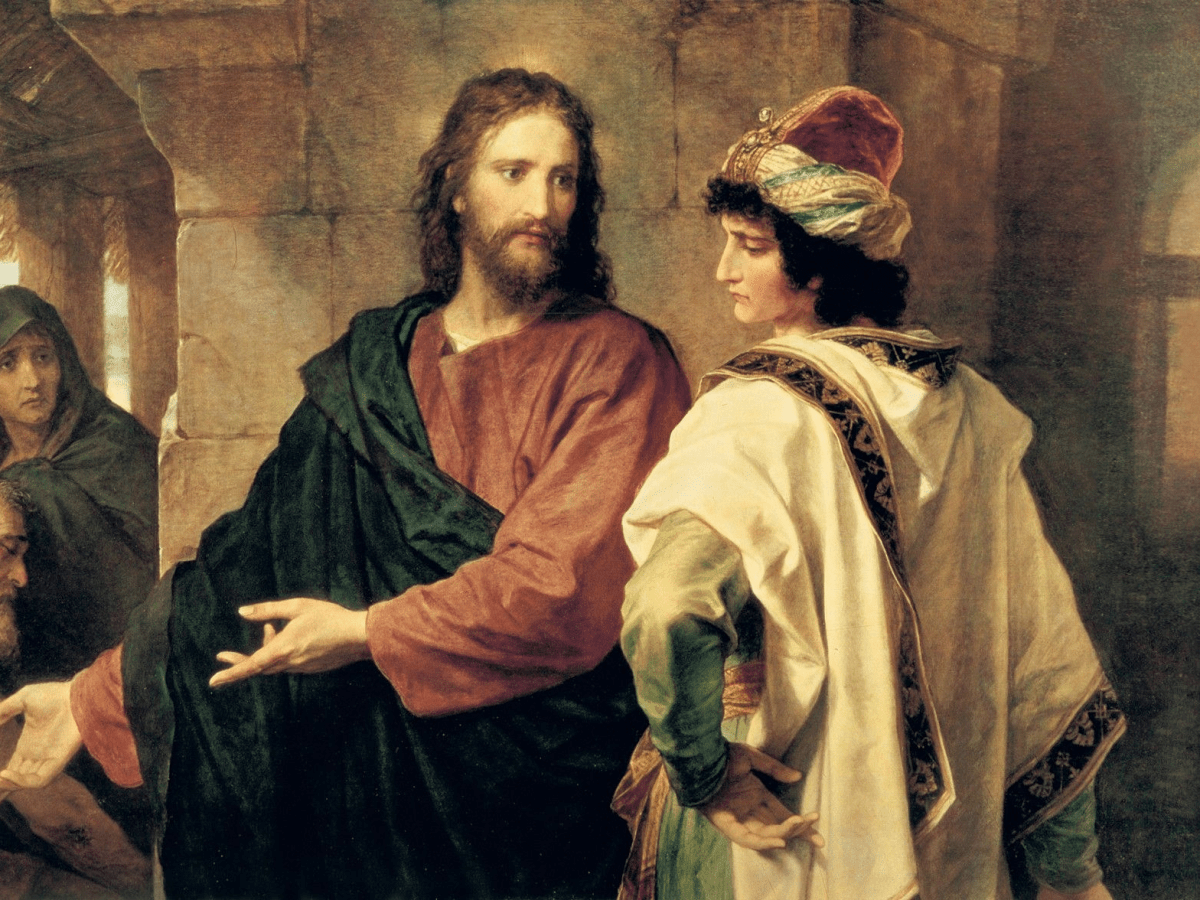
And then the landowner sends his son. The son is not another messenger. The son comes with the authority of the landowner himself. In the parable, the son is Jesus. In the story of your own life, Jesus is the final reminder for conversion that you cannot ignore. The son is the ultimate claim. From this moment, God stops sending reminders and comes in person. The encounter with the Son demands a decision. Not a message to be debated. Not a truth to be considered. A person to be faced. The son is the one who looks at us with love and says, “This life is not yours. It was given to you. And I have come to claim it back.”
When we encounter the son, there is the death of our false self. Some people stop listening to this final attempt of God because He demands surrender. They silence him with death, totally avoiding any conversion. And then, they tell themselves that the vineyard is theirs. But the Truth will haunt them.
The landowner will come. The accounting will happen. And the tenants who tried to possess what was never theirs will lose even what they had. This is not a punishment. It is a consequence. The refusal to be a steward means the loss of the vineyard.
And then, there is the stone. The stone the builders rejected has become the cornerstone. What the ego rejects is precisely what becomes the foundation of true life. The son rejected and killed becomes the source of our salvation. The truth we crucify becomes the truth that raises us.
Your life is not your own. It is a gift. Your body is not your property. It is a trust. Your time is not your right. It is a responsibility. Your gifts are not your possessions. They are your offerings. The more you try to own, the more you lose. The more you hold on, the more they slip away. The more you defend your control, the more you destroy what you were given.
The landowner is patient. He sends servants. He sends more servants. He sends the son. He gives you every chance to return. He gives you every chance to release the illusion of ownership and return to the truth of stewardship. But the time of accounting will come. And the question is not whether you will give an account. The question is what you will have to show.
I am asking myself: Where have I confused stewardship with ownership? Where have I treated my life as my property? Where have I attacked the messengers who came to remind me of the truth? Who have I murdered with my words? What authority am I pretending to have? Where am I building my own little kingdom instead of tending the vineyard I was given?
The answer is uncomfortable. But the answer is the path. The path out of the violence of ownership. The path into the freedom of stewardship.



Leave a comment