15th Sunday in Ordinary Time – Year A
Gospel: Matthew 13:1-23
Fr. Jijo Kandamkulathy CMF
Claretian Missionaries
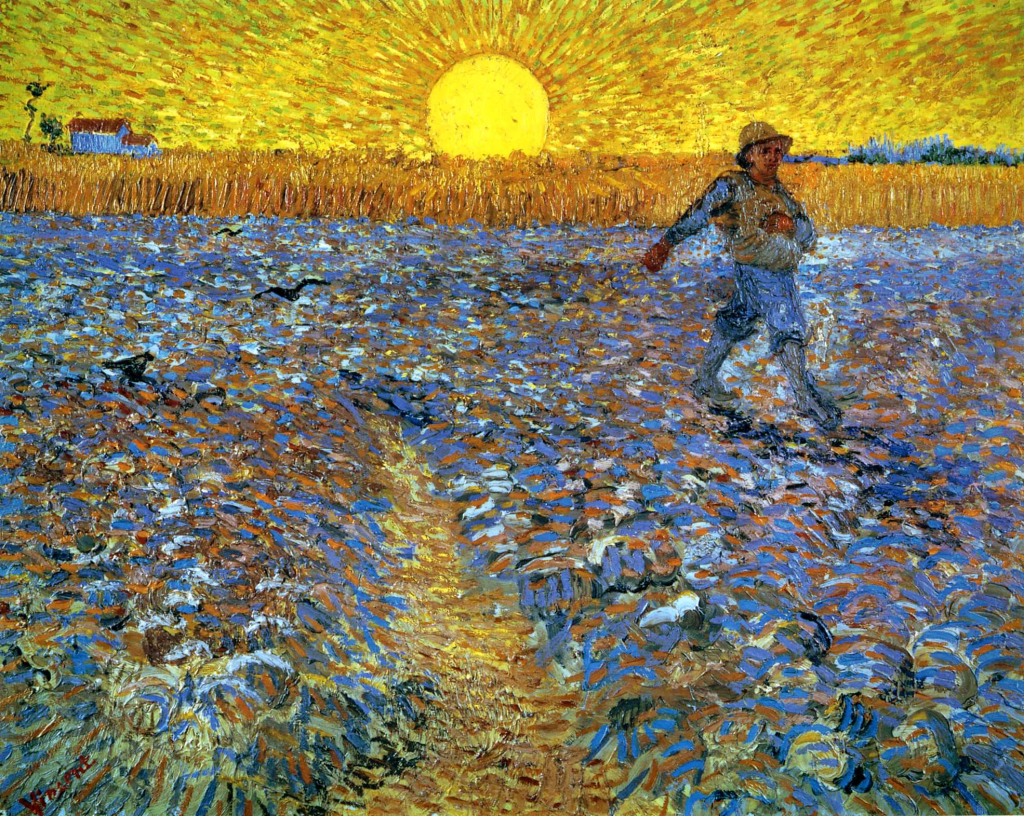
The Parable of the Sower in the gospel invites far deeper engagement than as a simple spiritual parable; it is a meticulous map of the human soul. When Jesus described the different conditions of the soil, He was laying bare the inner architecture of our minds and our varied capacities to receive the Word of God. To fully appreciate this spiritual diagnosis, we can look at it through a simple, beautiful tool from modern psychology called the Johari Window. Created by two researchers named Joseph Luft and Harry Ingham, this model helps us understand our self-awareness and relationships by dividing our mind into a window with four panes. One pane is fully open (this consists of the part of my inner life that others can see through, so do I ), the blind spot, a partially transparent pane (this is part of my inner life that others can see through but, I am not aware of), the third pane is the façade. This pane is partially made opaque (part of my inner life that I am aware of, but I hide from others), and the unknown, the absolute dark pane that is completely opaque (this part of the inner life, neither others nor do I understand). When we place these four paned window over Christ’s parable, the framework ceases to be a mere psychological exercise. It becomes a mirror for the soul, revealing a profound truth: our openness to the Word of God is the ultimate key to bringing about a life-giving harvest.
The first terrain Jesus describes is the hardened path, where the seed—the Word of God—cannot even penetrate the surface and is instantly snatched away by the birds. We are not even aware of the fact that God’s word has fallen on our soul, but everyone else sees it. This corresponds perfectly to our Blind Spot, the window in our house where everyone else can see our faults, but we are completely oblivious. Spiritually, the path represents a heart that has been heavily trampled by the relentless traffic, opinions, and trends of the world. We become calloused by our unexamined habits, entirely blind to our own pride or underlying bitterness. Because we lack the reflective self-awareness to see our true condition, the Word of God strikes our hardened exterior and bounces off. We do not even realize we have rejected His message because our blind spot convinces us that we are doing just fine.
Jesus then speaks of the rocky ground, which represents a shallow heart that receives the Word with immediate, emotional joy, but lacks any deep root system to survive the scorching heat of trial. This mirrors the Facade, the hidden room where we keep our secrets and our masks. In this space, we pretend to be someone we are not. We present a lush, green image of faith on the outside, terrified that if anyone saw the dry, rocky ledge of doubt beneath, we would be exposed. Because all our spiritual energy is spent maintaining this superficial facade rather than doing the painful, subterranean work of honest prayer, the Word of God cannot take deep root. Our inner life collapses the moment a crisis forces us into the open.
More insidious still is the thorny soil, where the growing Word is quietly suffocated by worldly anxieties and the deceptive lure of riches. This is the realm of the Unknown—the deep, dark cellar of our subconscious that is hidden from both ourselves and others. Here lie our buried fears, old hurts, and invisible attachments that secretly dictate how we react to life. We often believe we are spiritually free, yet beneath the surface, these hidden thornbushes are constantly draining our vitality. We do not lose our faith through a sudden, dramatic rebellion; rather, we allow the anxious, secondary chatter of this unknown room to overcrowd and choke out the life-giving Word of God.
The ultimate goal of the spiritual life is to become the rich soil, which Jesus promises will yield a miraculous, disproportionate harvest. This fertile ground corresponds to the Open Arena—the pane of total transparency where nothing is hidden from ourselves, others, or God. To become good soil is to deliberately open every door of our heart to the Word of God. It means collapsing our facades, illuminating our blind spots, and surrendering our unknown fears to the light of His truth. This radical openness is the absolute key to fruitfulness. When we stop hiding and allow the Word of God to penetrate the deepest, messiest corners of our history, the divine seed is finally free to grow unhindered. By holding nothing back from Him, our inner chaos is transformed into a sanctuary, and the Word brings forth a harvest of peace, mercy, and love that overflows to feed a thirsty world.
Allowing the Word of God to touch the depth of our lives is not just a passive behavior of the ground. We need to meditate on the values that the Word of God is presenting to us, and build convictions and reformat our behavioural patterns based on the values of the gospel. They are the ones who produce a hundred fold harvest.



Leave a Reply